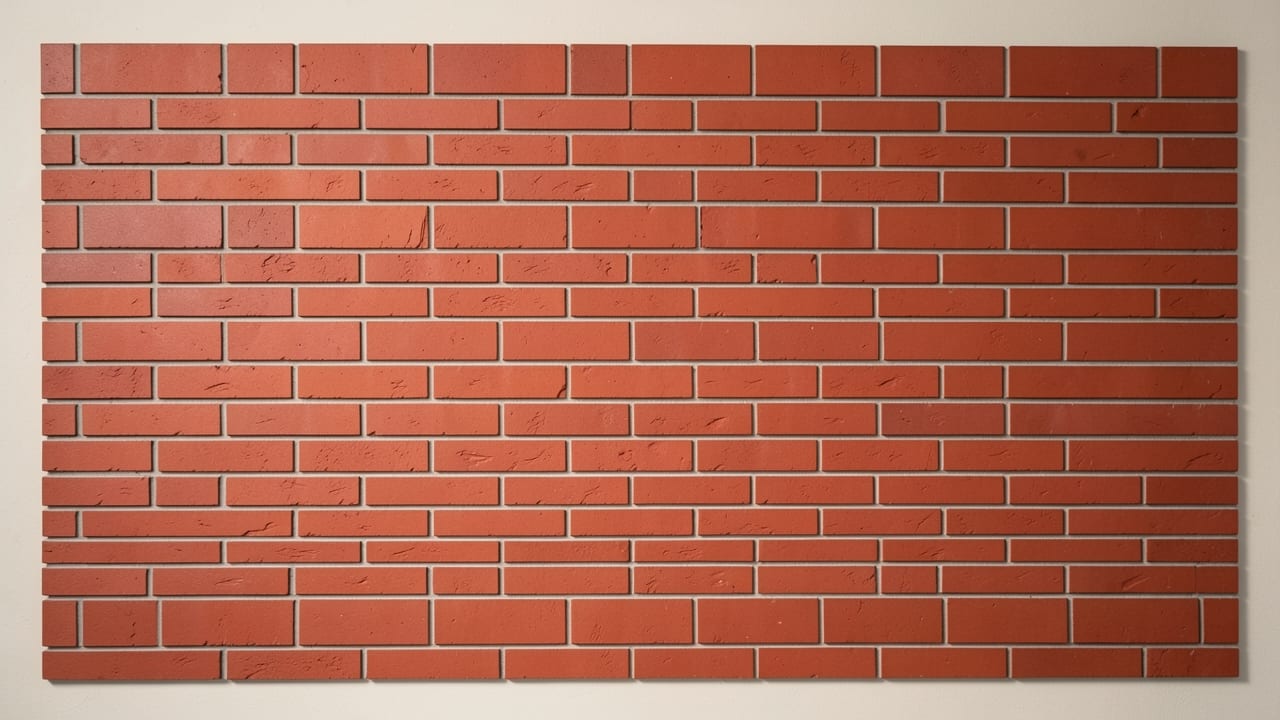
Brick Cleaning
Professional pressure washing to remove dirt, grime, and stains from brick surfaces.
Brick cleaning in Elk Grove, CA, restores the look of your home’s exterior by removing dirt, mold, and mineral deposits from brick walls, patios, and walkways.
This process uses controlled pressure and specialized solutions to preserve brick texture and mortar integrity while addressing common issues like efflorescence and algae buildup in the region’s climate.
We also handle Hard Water Stain Removal and Salt Deposit Removal for Elk Grove properties.
When to clean your brick
Brick cleaning is needed when dirt, algae, or efflorescence dull the appearance of your masonry. A chalky white haze (efflorescence) or dark green/black streaks (algae) are clear signs, as is mortar that looks recessed or crumbles easily.
These issues worsen over time, especially in Elk Grove’s climate, where moisture and mineral-rich water accelerate staining.
Check for uneven staining, particularly below downspouts or near dense plantings, where moisture lingers. If your brick looks dull or discolored but the texture feels uneven—like some areas are softer than others—this suggests mortar deterioration. Addressing these issues early prevents deeper damage and keeps your home’s exterior looking fresh.
Signs Your Brick Needs Cleaning
- White, chalky patches (efflorescence) covering part or all of the brick surface.
- Dark green or black streaks (algae or mildew), especially on shaded or damp areas.
- Mortar joints that appear recessed, crumble under gentle pressure, or look discolored.
- Staining concentrated in specific spots, like directly below roof downspouts or near sprinkler heads.
- Brick that feels rough or uneven to the touch, indicating surface erosion or mineral buildup.
What affects pricing and timing
Pricing for brick cleaning varies based on the size of the area, the condition of the brick and mortar, and the extent of staining or damage. Larger surfaces or heavily stained brick may require more time and specialized techniques, which can influence the total cost.
The process also depends on whether the mortar needs additional care or if the brick is particularly soft, requiring gentler handling.
Accessibility plays a role too—tall walls, intricate designs, or hard-to-reach areas may require extra time and equipment. Weather conditions, such as recent rain or upcoming cold snaps, can also delay the job to avoid trapping moisture in the masonry, which could cause cracking.
What to watch for before hiring
Not all cleaning methods work the same on brick. High-pressure washing can damage softer brick or erode weakened mortar if not done carefully.
Always ask how the service provider plans to handle pressure levels—especially if your home has older or natural stone brick—and whether they’ll use a soft-wash solution for delicate areas.
Avoid providers who don’t specify the pressure setting (PSI) for different surfaces or who lump brick, concrete, and siding into one generic price. Chemical use is another key detail: some detergents can harm nearby plants or pets, so clarity on what’s being applied—and how it’s rinsed—matters.
Avoid quotes that don’t specify PSI settings per surface, demand full payment upfront, or pressure you to add services without a separate written price. Undisclosed chemicals or unusually low prices can signal rushed work or hidden risks.
How brick cleaning works
- 1Inspect Brick and Mortar
The process starts with a close inspection of the brick and mortar. Weak or recessed mortar is identified, and the brick’s hardness is assessed to determine the safest pressure and solution for cleaning.
- 2Apply Low-to-Medium Pressure
A pressure washer set to a low-to-medium PSI (typically 1,500–2,800 PSI) is used to clean the brick face, working across the surface rather than directly into the joints to avoid accelerating mortar erosion.
- 3Treat Efflorescence and Stains
A masonry-safe solution is applied to break down efflorescence and organic stains. This step avoids scrubbing, which can pit softer brick or stone, and instead relies on chemical action to lift deposits.
- 4Detail Joints and Edges
Corners, window sills, and mortar joints are finished with reduced pressure and closer attention to balance cleaning effectiveness with protecting weakened areas.
- 5Rinse and Re-Inspect
A final rinse removes loosened residue, and the mortar is checked again for any new signs of deterioration. This step ensures no damage was introduced during cleaning.
Frequently asked questions
Will pressure washing damage my brick or mortar?
If done correctly, pressure washing at the right PSI won’t harm most brick or mortar. However, older or softer brick and weakened mortar require gentler settings. A professional will inspect these areas first to avoid accelerating erosion.
How long does it take to clean a brick wall?
Cleaning time depends on the wall’s size, condition, and staining level. A typical 100 sq. ft. area takes 1–3 hours, but heavily stained or large surfaces may require more time, especially if mortar repair is needed.
Can I clean my brick myself, or should I hire a pro?
DIY cleaning risks damaging brick or mortar if pressure or chemicals aren’t chosen carefully. Professionals use equipment and solutions designed for masonry, reducing the chance of pitting, streaking, or joint erosion.
Will sealing help my brick stay cleaner longer?
A vapor-permeable sealer can reduce how much moisture and dirt brick absorbs, but it won’t prevent all staining. Sealing is most effective when applied after cleaning and paired with fixes like redirecting downspouts or trimming plants near the wall.
Where Elk Grove sits, and what the Census lists nearby
Elk Grove sits in California, and the closest places listed in the U.S. Census Gazetteer are Florin (4.8 miles north), Vineyard (5.3 miles northeast), Franklin (5.3 miles southwest), Parkway (6.9 miles northwest). Within 25 miles of Elk Grove the same source lists 53 distinct incorporated places and census-designated places.
Those figures matter for brick cleaning because they are straight-line distances between Census coordinate points: road mileage between Elk Grove and Florin runs longer than the 4.8 miles shown, which is why quotes for the same job differ between towns that look close together on a map.
Source: U.S. Census Bureau Gazetteer.
See Arden-Arcade, CA for more, or discover the pressure washing work we do around Elk Grove from start to finish for our complete lineup.
Ready to get started?
Talk to a local pressure washing pro in Elk Grove — get a written quote.
Other Pressure Washing Services in Elk Grove
Hard Water Stain Removal in Elk Grove, CA
Pressure washing to remove hard water stains from exterior surfaces.
Learn More
Salt Deposit Removal in Elk Grove, CA
High-pressure washing to remove salt deposits from surfaces like driveways and sidewalks.
Learn More
Spring Pollen Removal in Elk Grove, CA
High-pressure washing to remove pollen buildup from exterior surfaces.
Learn More
Pre-Sale Exterior Refresh in Elk Grove, CA
High-pressure cleaning of home exteriors, driveways, decks, and walkways to remove dirt, grime, and stains.
Learn More
Annual Maintenance Wash in Elk Grove, CA
Yearly pressure washing to remove dirt, grime, and mildew from home exteriors.
Learn More
House Washing in Elk Grove, CA
Soft-wash exterior house washing for siding, brick, and stucco in Elk Grove, CA — removes dirt, dust film and hard-water mineral deposits, without damaging the surface.
Learn MoreCommon Questions About Pressure Washing in Elk Grove
Everything you need to know about pressure washing services in Elk Grove
How much does Brick Cleaning typically cost in Elk Grove, CA?
Does winter road salt affect driveway washing needs in Elk Grove, CA?
Is renting a pressure washer and doing the job at home a reasonable option?
How long does washing a typical house exterior take?
Can pressure washing damage concrete, pavers, or mortar joints?
What are the actual named steps in a professional pressure washing job?
Need Pressure Washing in Elk Grove?
Get a written quote from our Elk Grove crew.
⏰ We answer your call • Serving all of Elk Grove and surrounding areas